Hat bodies are the foundation of finished hats. Their quality directly affects shaping, durability, comfort, and final appearance. For B2B buyers such as hat brands, wholesalers, and factories, choosing the right hat body manufacturer is a critical sourcing decision. Below are the key factors to consider when selecting a reliable partner.
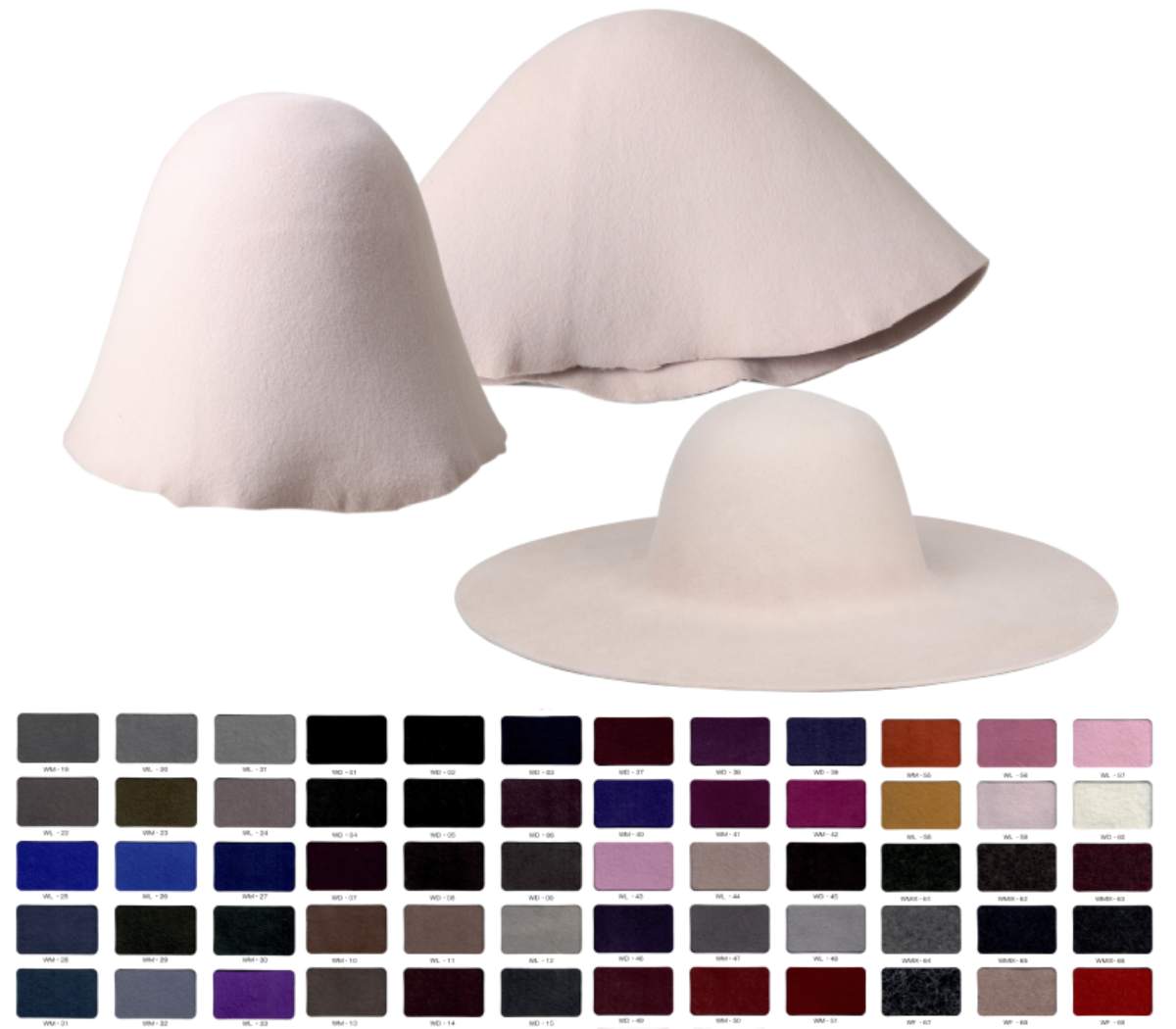
1. Understand the Manufacturer’s Specialization
Not all hat factories produce hat bodies. A professional hat body manufacturer should specialize in:
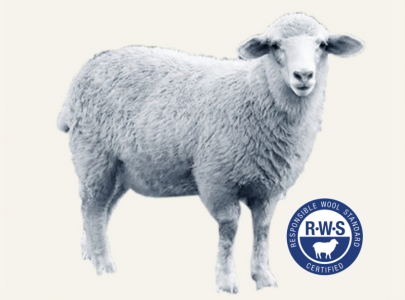
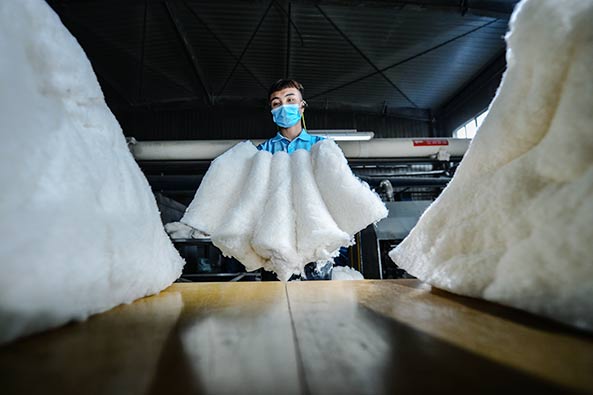
Wool felt hat bodies
Fur felt hat bodies
Straw hat bodies
Paper or blended material hat bodies
Specialized manufacturers usually have better control over density, thickness, elasticity, and consistency, which are essential for downstream hat making.
2. Evaluate Raw Material Quality and Sourcing
Raw materials determine the performance of the hat body. Buyers should ask:
What grade of wool, fur, or straw is used
Whether materials are sourced consistently from stable suppliers
If material blends are standardized across batches
Reliable manufacturers can clearly explain material differences and recommend suitable options based on target markets and price levels.
3. Check Production Process and Technical Capability
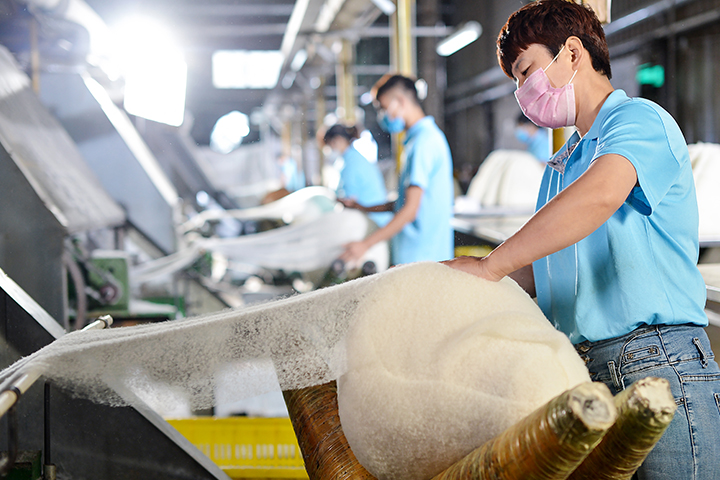
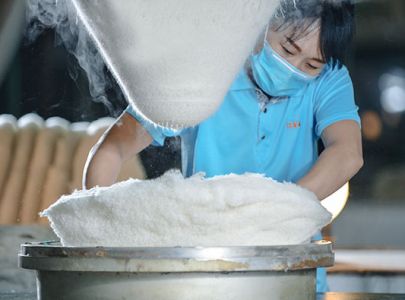
Hat body production involves multiple technical steps such as felting, molding, drying, and trimming. A professional manufacturer should have:
Mature production processes
Stable shaping and sizing control
Experience producing different weights and stiffness levels
Factories with weak technical control often deliver hat bodies with uneven thickness, poor shape retention, or high defect rates.
4. Consistency and Batch Stability
For B2B buyers, consistency is more important than single-sample quality. Ask the manufacturer:
How they control batch-to-batch consistency
Whether specifications are recorded and standardized
If repeat orders match previous samples
Stable consistency reduces production loss during hat shaping and finishing.
5. Quality Control System
A reliable hat body manufacturer should implement quality control at different stages:
Raw material inspection
In-process checks during felting or molding
Final inspection for size, weight, and defects
They should also support third-party inspections and have clear standards for acceptable tolerances.
6. Customization Capability
Different brands require different hat body specifications. Buyers should confirm whether the manufacturer can customize:
Size and shape
Weight and thickness
Stiffness and hand feel
Color or dyeing options
Customization capability is especially important for brands developing unique hat styles or premium products.
7. Production Capacity and Lead Time
Buyers should ensure the manufacturer can support both current demand and future growth. Key questions include:
Monthly production capacity
Standard lead times
Ability to handle peak seasons
Overloaded factories may compromise quality or delivery reliability.
8. Export Experience and Market Knowledge
Manufacturers with export experience understand international expectations. Buyers should check:
Main export markets (Europe, North America, South America, etc.)
Familiarity with packaging and logistics requirements
Understanding of market-specific quality standards
Export-oriented factories are usually more reliable in documentation and communication.
9. Communication and Responsiveness
Good communication is essential in B2B cooperation. A reliable manufacturer:
Responds clearly and professionally
Confirms specifications in writing
Provides updates during production
Poor communication often leads to incorrect specifications and avoidable losses.
10. Start with Samples and Trial Orders
Before committing to large volumes, buyers should:
Request samples to test shaping performance
Place trial orders to evaluate consistency
Assess cooperation efficiency
Trial cooperation is the safest way to evaluate long-term suitability.
Conclusion
Choosing a hat body manufacturer is not only about price. Material quality, technical capability, consistency, and communication all play decisive roles in long-term success. A reliable hat body manufacturer becomes a stable upstream partner, helping B2B buyers improve product quality, reduce production risks, and strengthen their competitive position in the market.